Tom's Story
He Nearly
Didn't
Make It.
Two-time Olympic gold medalist. And someone who, in 2018, experienced a serious mental health crisis. This is Tom's story, and why he refuses to stay silent.
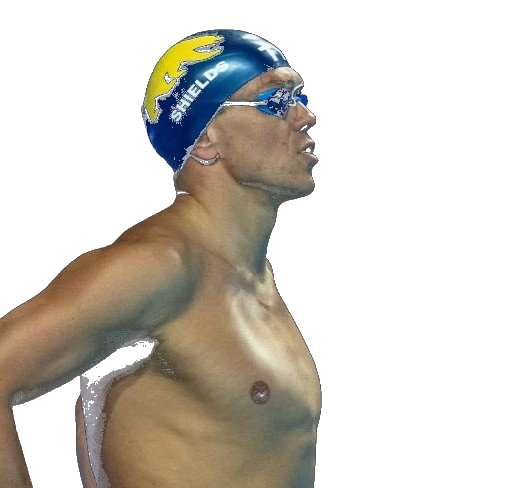
Two-time Olympic gold medalist. And someone who, in 2018, experienced a serious mental health crisis. This is Tom's story, and why he refuses to stay silent.
"I went public not because it was easy, but because I believed silence was costing lives."
For years, Tom Shields carried it quietly. The pressure of building an identity entirely around athletic performance. The fear of failure. The insomnia that came in waves. The depression that no one on the pool deck could see because elite athletes aren't supposed to struggle, they're supposed to perform.
Tom was one of the fastest butterfly swimmers on the planet. He was also one of the loneliest people in a room full of people who thought they knew him.
"You learn early that showing weakness is dangerous." In elite sport, everything is about mental toughness. Nobody tells you what to do when your mind turns against you.
In late 2018, after years of silent struggle, Tom reached his lowest point and experienced a serious mental health crisis.
He came through it because his wife, Gianna, was on her way to work when something told her to turn around and call. That phone call changed everything.
It wasn't a therapist. It wasn't a crisis hotline. It was one person who paid attention, one connection that cut through the silence at exactly the right moment.
In December 2019, Tom made a decision that most elite athletes never make: he told the truth publicly.
He shared his story, not a polished version, not a recovery narrative with all the rough edges smoothed out, but the real thing. What it felt like. What led there. What brought him back.
The response was overwhelming. Athletes, coaches, parents, and strangers reached out to say they had been carrying the same weight. That they had never heard anyone in sport talk like this. That it made them feel less alone.
That response is why the Tom Shields Foundation exists.
Tom went on to compete at the 2020 Tokyo Olympics, earning a gold medal and continuing to set records. He is one of the only elite athletes in the world to have spoken publicly about a mental health crisis and returned to compete at the highest level.
That story opens doors that nothing else can, because it is true, because it comes from someone young athletes actually look up to, and because it refuses to make mental health something that happens to other people.
Tom is committed to building the systems that catch young athletes before they fall, the early recognition, the trained coaches, the open doors that didn't exist when he needed them.